

This report is the outcome of Volunteer Activists’ (VA) effort to undertake a comprehensive examination of labour issues and labour protests in Iran in the period July – December 2022. It is the first in a series of biannual reports on these issues that Volunteer Activists (VA)will publish in the coming years.
In doing so, VA aims to offer the international community more insights into current labour issues and labour protests in Iran. Knowing that their voices are heard internationally, is highly important for Iran’s labour movement. Also, by gaining an in-depth understanding of the needs of Iranian workers, as well as the capacities and needs of trade unions advocating for these, subsequent programs and activities could be designed by international donors to meet these organizational needs, resulting in greater impact. Moreover, given its contacts with Iranian labour activists on the ground, VA is relatively well positioned to provide this information.
The Iranian labour landscape is vastly diverse and mapping the situation regarding labour issues and labour struggles was only possible through comprehensive and intensive research. Our assessment of the situation regarding labour issues and labour rights has been based on primary and secondary sources. VA conducted interviews, sometimes online, with some of our labour activists on the ground. (Verified) media reports and published research were the secondary data source, alongside social media monitoring.
Based on this research, the following key observations can be made on labour issues and labour protests in Iran in the period July - December 2022:
Labour protests.
Labour issues

Alternative action methods
Iranian workers routinely, and often very quickly, take to the streets or engage in strikes as a means to be heard. These protests represent significant risks to those involved and can result in job losses, however. Also, in the end employers may not give in. Our analysis of labour protests in Iran over the past years indicates that it can, at times, be more fruitful for workers (representatives) to work ‘behind the scenes’ in order to build advocacy and power. Initiating conversations with regulators and public officials, grabbing the public’s attention through online media, and building awareness among workers, all represent potential alternative strategic approaches.
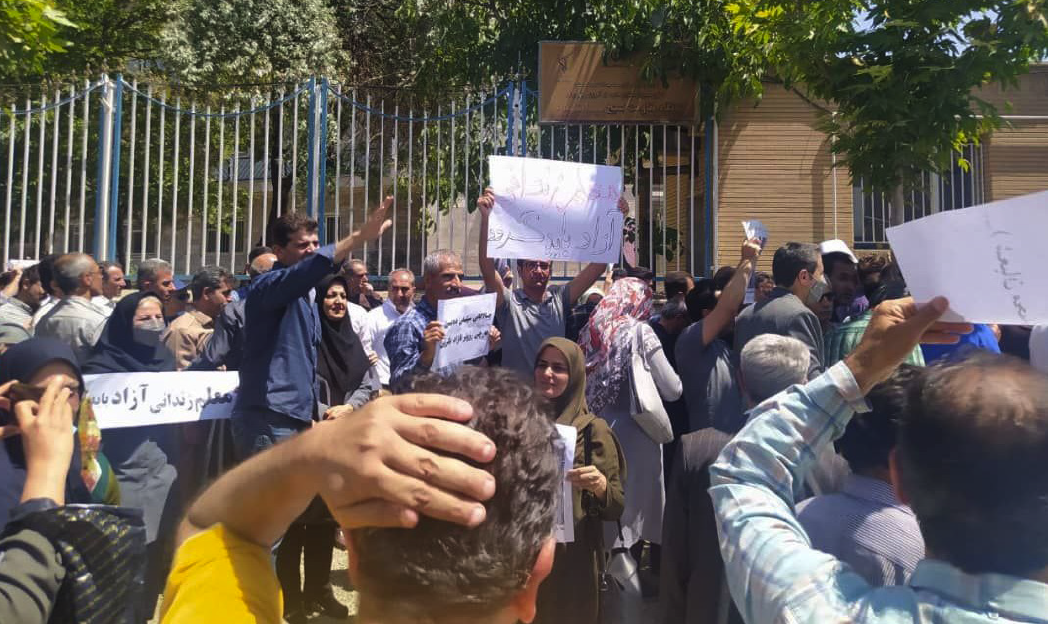
Protests organised by teachers in 2019 and 2020 represent a useful case study. Besides strikes and sit-ins,
Demonstrations and strikes have been the most popular, yet least successful form of protest for Iranian workers over the past seven years.29
teachers proactively used social media to generate public attention for their cause, leading to a widespread public outcry, which ultimately pushed officials to meet the teachers’ demands.
Lobbying constitutes another possible and relatively safe form of action. Involving relevant (government) officials or MPs through targeted letters can help put workers’ issues onto the political agenda. Also, meetings with local and national entities such as Islamic Councils has proven to be fruitful in some industries and sectors.
Intra-organisational changes
Organising themselves more effectively is another way for Iran’s labour unions to become stronger and have more capacity.
The following actions could be undertaken:
Miscellaneous
To pursue their demands, labour unions needs to build and use political and economic connections and make use of ‘leadership strategies’, such as embarking on negotiations, letter writing (including to newspapers), creating petitions, campaigns, alliances with peer organisations, assemblies, etc.). Only if these methods fail, should strikes or large-scale public gatherings be organised.
Using this sequence not only limits safety risks for both labour activists and protesting workers, it is also likely to increase the chances of success of the strikes or public gatherings. Having already build up to the strike or public gathering in question, will most likely make it easier to organize and run. Also, by having already secured the ears of relevant and influential actors, such a strike or public gathering in question is likely to have more of an impact, including because of increased visibility.
Create inclusive alliances to pursue common demands such as higher wages, salaries and annual pensions. 30
This will also allow the creation of a united front against the proposed alterations of the Labour Law which would greatly harm workers’ interests.
Members of the international community can greatly contribute to, and help to optimise, the quest of Iranian labour activists to secure better livelihoods for Iranian workers. These possibilities are outlined in the text box below.
To support Iranian workers and Iranian activists in their struggle and to increase their chances of achieving positive change and better working conditions, policy makers, labour unions and other international actors outside Iran could:
Help Iranian labour unions diversity their methods of protest
Share information and best practices on the use of social media and lobbying with Iranian workers. The use of social media as a means to pressure employers and the government to advocate on behalf of workers’ needs is essential for successful social activism and strategic planning.
Support advocacy training and capacity building among Iranian labour unions, for instance through targeted online programs for Iranian labour activists. Provide training on the use of infographics, video clips, and other tools.
Stimulate and support the creation of independent labour unions
Advocate to the Government of Iran and the ILO to allow free and independent labour unions in Iran.
Strengthen trade union leadership in Iran
Share best practices and skills to support worker rights activists and trade union leaders in their efforts to secure better working conditions for workers and their communities. This includes negotiation skills, using existing labour laws, exploiting legal strategies, etc. Share information and knowledge to call out the Iranian government through the ILO and elsewhere in violations of fundamental human rights; for example, when arresting labour union leaders.
Increase the visibility of Iranian workers around the world
The international community can help Iranian labour unions by drawing attention to the plight of Iranian workers at international organizations and other forums. Besides putting pressure on the Iranian government to respect workers’ rights, international attention for their cause will help worker activists feel supported in the extremely difficult and dangerous circumstances they continue to face.
By engaging in the activities outlined above, the international community can support Iranian labour unions and strengthen their position vis-à-vis the Iranian government – which will in turn increase the chances that the voices of Iranian workers will be heard, and their lives improved.