
This document presents the findings of a comprehensive study conducted by Volunteer Activists (VA) regarding labor issues and protests in Iran, spanning from July to December 2024. This report is the fifth in a series released biannually, aimed at delivering timely insights into the evolving labor landscape in Iran.
The primary goal of VA is to enhance global awareness of the labor challenges and protests occurring within Iran. Acknowledging these issues on an international scale is vital for the progress of the labor movement in the country. Furthermore, a deeper understanding of the needs of Iranian workers and trade unions enables international donors to tailor their programs and initiatives more effectively, ultimately enhancing organizational impact. VA’s established networks within Iran facilitate the dissemination of this critical information.
Given the intricate and varied nature of Iran‘s labor environment, our research involved meticulous and extensive investigation to capture a holistic view of the prevailing issues, struggles and government responses to these. To that end, we utilized both primary and secondary sources, including online interviews with local labor activists, verified media reports and social media analysis.
Our findings from the second half of 2024 reveal significant developments in the labor sector under the new administration of President Masoud Pezeshkian, who took office on July 30, 2024:
Protests Statistics
Over 577 labor protests were recorded across more than 30 cities in Iran from July – December 2024.
Drivers of Protests
The predominant driver of protests is high inflation not being matched by corresponding increases in wages and pensions. This economic strain significantly impacted the livelihoods of workers and retirees.
Other major points of contention were wage and pension and insurance payment arrears, alongside anger over difficult work circumstances.
Another significant point of contention has been Iran’s energy crisis, which exacerbated the broader economic challenges facing the nation.
Government Response
Labor activists continued to face high risks, including potential job loss and arrest, particularly those who are seen as leaders or masterminds behind the protests.
There were several (proposed) changes in governmental policies impacting labor rights, both in favor and to the detriment of workers.
Non-juridical government ways of seeking to quell labor unrest were on the rise.
To assist Iranian workers in attaining the best possible results, both Iranian labor activists and international actors can pursue a range of initiatives. These actions may include fostering greater collaboration with like-minded organizations and establishing platforms that promote the exchange of ideas and strategies. Furthermore, it is essential for independent trade unions to conduct general assemblies, even when just virtually, to (re)connect with their members.
Our analysis of the labor situation in Iran between July -December 2024 reveals that the primary concerns of Iranian workers revolved around livelihood issues and the pursuit of improved living conditions. These challenges created an environment conductive to the resurgence of labor protests.
.png)
Ordinary Iranians not only struggled to meet basic needs but also faced worsening conditions due to Iran's acute energy crisis, which led to prolonged shutdowns in many industrial and manufacturing sectors, threatening bankruptcy and job losses in a country already grappling with high unemployment.
While the roots of the energy crisis predate Pezeshkian's administration, the government had opportunities to address the ongoing disconnect between the minimum wage and inflation, as well as the numerous demands from impoverished and marginalized workers, including wage arrears and improved safety measures.
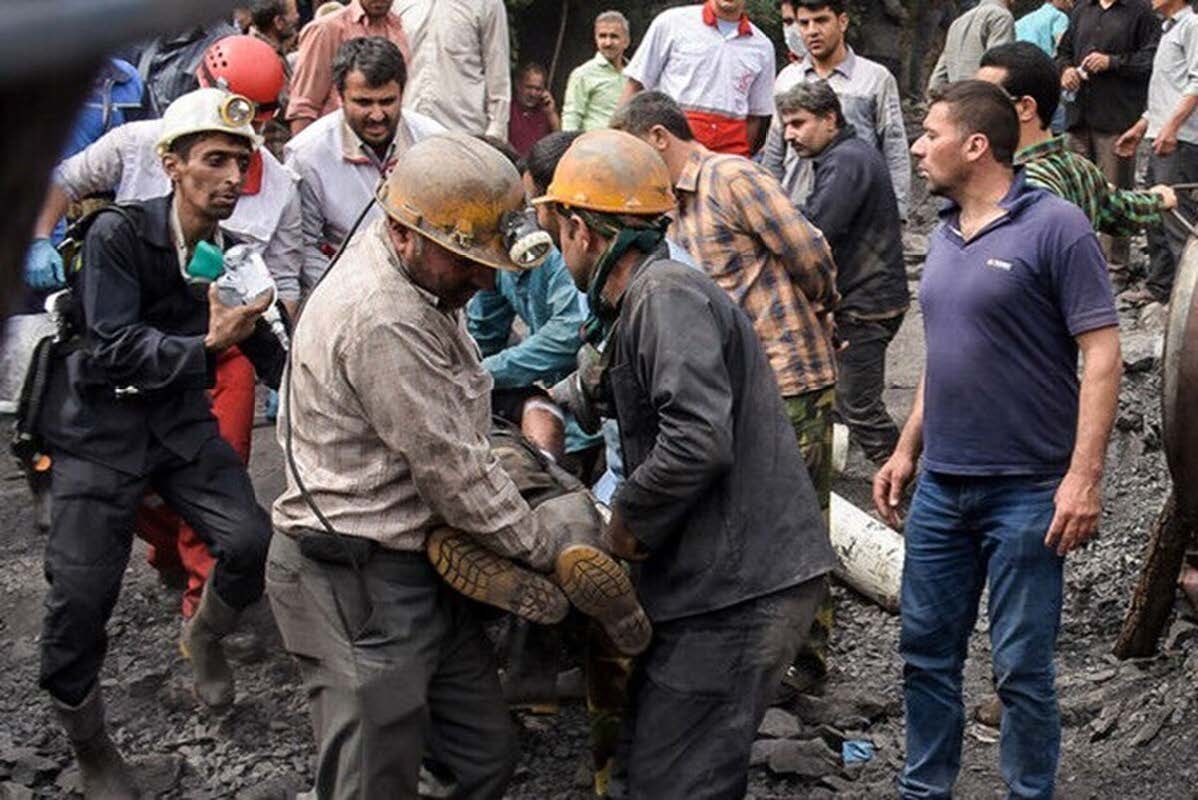
In short, Pezeshkian's response to labor issues was limited. While he made some efforts to improve nurses' wages following their strikes, this action seemed more a reaction to disruptions than a genuine commitment to reform. The new cabinet issued pension equalization rulings, but many of these initiatives were already in progress under the previous government and amounted to little more than token gestures. Additionally, the pledge to assist school janitors did not yet translate into meaningful support, as is the case with improving the lives of miners. Altogether, amid a significant volume of strikes and labor protests between July and December, the government‘s overall response was characterized by minimal compromises, raising serious doubts about its commitment to addressing the systemic issues faced by workers across various sectors.
.png)
Politically, there was little progress in the freedoms associated with labor protests. Similar to the previous administration, the new government resorted to coercion in an attempt to control labor activism. However, it appeared more reluctant to employ harsh measures such as arrests and initiating court cases against labor activists. Instead, employment agencies increasingly acted as the government‘s enforcers, imposing penalties like dismissals and bans on re-entering the sector, as well as selectively distributing job benefits. This more subtle form of coercion may be a popular strategy for the government because it allowes them to maintain control over labor movements without drawing significant attention to their actions. By avoiding overt repression, the regime can also limit the potential for international scrutiny and pressure, while still effectively suppressing dissent and managing public perception.
In the realm of online protests, a similar subtle strategy may be emerging. The Memorandum of Understanding between Iran’s largest online petitioning network, Karzar.Net, and the government raises concerns about increased government control over this platform. Additionally, it is noteworthy that many labor activists remain imprisoned, including those with precarious health conditions.
Overall, the future appears bleak for Iran’s workforce unless the Pezeshkian regime initiates substantial reforms. The persistent disconnect between the minimum wage and high inflation threatens to stifle economic growth, making deflation increasingly unlikely. Furthermore, the unresolved energy crisis, a result of years of mismanagement and underinvestment, continues to undermine Iran’s economic stability.
Despite these challenges, there are also opportunities:
