
July 31, 2026

A semi-annual report on labor issues, protests and evolving labor regulations in Iran

WORKERS RIGHT WATCH - Jan to June 2026

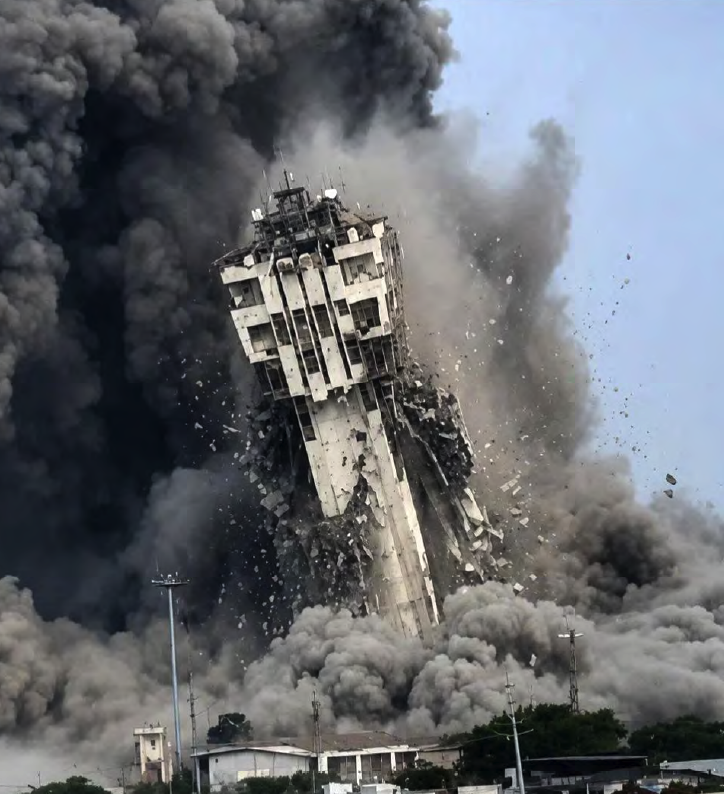
This report presents Volunteer Activists' findings on labour conditions in Iran from January to June 2026. It documents a deepening cost-of-living crisis, war-related job losses and worker casualties, record internet shutdowns, and state repression. Labour mobilisation fell to 111 protests but continued in more defensive, adaptive forms.
Download

111

Total labor protests

25

Cities across Iran

88,6

Year over year inflation rate

163

Workers killed in the war

109

Days of internet shutdown

28

Strikes combined with protest gatherings

A primary goal of Volunteer Activists (VA) is to enhance global awareness of the pressing labour challenges and worker protests taking place in Iran. Recognising the voices and experiences of Iranian workers on an international platform is vital for supporting the development of the labour movement and ensuring that workers’ demands are not overlooked. This role became particularly important during the period under study. Prolonged internet shutdowns significantly restricted the ability of workers and activists inside Iran to communicate their experiences and draw international attention to labour-related developments. The world's focus on the armed conflict and geopolitical tensions involving Iran, Israel and the United States further diminished the visibility of workers' struggles.

However, international attention serves a purpose beyond information-sharing alone. In interviews with worker activists, the importance of international recognition was repeatedly emphasised as a source of encouragement and psychological support. Knowing that their struggles are being documented and acknowledged internationally can strengthen workers’ sense of solidarity and reinforce their ability to continue organising under highly restrictive conditions.

Furthermore, a thorough understanding of the needs of Iranian workers and the demands of their trade unions allows international supporters to design more effective programmes and initiatives. With its established connections inside Iran, VA is well-positioned to provide this essential information and contribute to a more accurate understanding of labour developments in the country.

This report presents VA’s findings regarding labour-related issues and protests in Iran during the period January to June 2026. It marks the eighth instalment in a biannual series aimed at providing consistent updates on labour dynamics, workers’ grievances, and collective action within Iran.

The complexity of the Iranian labour landscape requires detailed and careful research to accurately represent the evolving challenges facing workers. This assessment draws on multiple sources, including reliable media reports, social media analysis, and discussions with VA’s contacts inside Iran. However, prolonged internet shutdowns during the reporting period significantly limited access to information and communication channels. As a result, this report may be less comprehensive than previous editions, particularly regarding developments that could not be independently verified or documented.

The research identified several significant trends regarding labour issues and protests in Iran between January and June 2026:

  • Labour mobilisation continued at lower volumes, reflecting heightened repression and the constraints created by the armed conflict.
  • Government efforts to restrict labour mobilisation increasingly extended beyond independent labour organisations and also affected formal, state-affiliated labour institutions, reflecting a broader narrowing of space for worker representation.
  • The Iranian government introduced several measures intended to respond to workers’ economic concerns, including increasing the minimum wage and implementing wartime economic measures. However, these steps remained insufficient to address rising poverty among workers, mitigate the effects of inflation, or adequately support informal workers and other vulnerable groups.

Key Findings

  • Workers increasingly relied on adaptive forms of mobilisation: Labour activism increasingly focused on defending existing rights and livelihoods rather than securing new gains. The organisation, timing, and forms of protest also adapted in response to heightened repression, security concerns, and a more restrictive operating environment.
  • Labour mobilisation remained geographically widespread: Although the number of labour protests fell to 111, compared with previous years, collective action continued across different regions, highlighting the persistence of widespread labour grievances despite the increased risks of protesting and organising.
  • Sustained labour pressure contributed to limited institutional openings and accommodation of workers’ demands: Some new mechanisms for worker participation and coordination were introduced, at least formally, while certain issues raised through protests were occasionally addressed. However, these developments remained limited and did not translate into broader improvements in workers’ rights or the ability to organise independently.
  • Economic insecurity intensified across the workforce: Inflation, exchange-rate instability, wage arrears, and rising costs of essential goods significantly undermined workers’ purchasing power. These pressures deepened existing vulnerabilities and contributed to growing dissatisfaction among workers across sectors.
  • War-related disruption intensified employment losses and insecurity: Reduced production, business disruption, and broader economic uncertainty following the outbreak of conflict contributed to layoffs, reduced working opportunities, and heightened insecurity, particularly among temporary workers, contractors, and informal workers in vulnerable sectors.
  • The war had direct human consequences for workers and working communities: Workers were among those directly affected by the conflict, with casualties reported among people from different occupations, including teachers, municipal workers, and industrial workers. Beyond these immediate losses, the conflict also caused displacement and heightened insecurity among workers and their families.
  • Digital campaigns and alternative forms of collective action faced significant constraints: Digital campaigns, petitions, and online information-sharing remained important tools for labour mobilisation. However, prolonged internet shutdowns restricted communication and limited the emergence of new digital initiatives during the reporting period.

Analyses

The first half of 2026 represented one of the darkest periods for Iranian workers since VA began monitoring labour conditions in Iran. Workers faced a convergence of overlapping crises that reinforced one another. Persistently high inflation and declining purchasing power coincided with growing employment insecurity, the continued expansion of temporary and contractor-based work, and weak social protection. These economic challenges were compounded by restrictions on freedom of association, repression of labour activism, prolonged internet shutdowns that disrupted communication and organising, and persistently high levels of occupational fatalities. From 28 February onwards, these challenges were further exacerbated by an armed conflict that resulted in worker casualties, damaged production capacity, and disrupted large parts of the labour market.

These developments did not emerge in isolation. Rather, they compounded longstanding economic and political problems in Iran. Many of the challenges documented during this reporting period - including precarious employment, inadequate wages, limited social protection, and restrictions on workers' rights - had already been entrenched for years and intensified significantly during the first half of 2026. Repression also reached unprecedented levels. Notably, even state-affiliated labour organisations increasingly found themselves at odds with government policies and intervention, highlighting the shrinking space for independent advocacy as well as growing tensions within officially recognised labour institutions.

Despite these adverse conditions, there were also signs of resilience. Iranian workers continued to mobilise on a nationwide scale, albeit less frequently than in previous reporting periods and through more adaptive forms of collective action, reflecting the combined effects of severe economic hardship, intensified repression, and heightened security concerns. At the same time, sustained labour mobilisation and mounting economic pressures appeared to compel the government to respond, at least in part, to workers' grievances. Measures such as increasing the minimum wage, advancing proposals to limit the use of temporary employment contracts, and introducing support for workers whose employment was disrupted by the conflict reflected an acknowledgement of worsening socioeconomic conditions. In addition, some new institutional mechanisms were introduced that, at least formally, provided workers with greater opportunities to participate in discussions on economic issues. However, these initiatives remained insufficient to offset the effects of inflation and declining living standards. Moreover, they largely failed to address the vulnerabilities of workers outside formal employment relationships, including temporary, contract, and informal workers, who remained among those most exposed to economic insecurity.

Looking ahead, labour mobilisation is likely to continue to be shaped by the interaction between persistent economic grievances, state efforts to restrict collective organising, and broader geopolitical tensions. Although repression has constrained workers' ability to mobilise openly, existing networks of solidarity and recurring forms of collective action suggest that labour activism is unlikely to disappear. The extent to which workers can sustain these networks, develop new forms of organisation, and translate shared grievances into collective demands will remain central to the future trajectory of labour mobilisation.

The recommendations that follow are intended to support these efforts by strengthening the protection of workers' rights and livelihoods, reinforcing channels of representation and solidarity, and addressing both the immediate consequences of recent crises and the structural factors that continue to undermine decent work in Iran.

Recommendations

Recommendations for Iranian Trade Union Activists

Icon - Elements Webflow Library - BRIX Templates

Recommendations for the Iranian government

Icon - Elements Webflow Library - BRIX Templates
  • Ensuring freedom of association, collective bargaining, and the right to peaceful collective action, while ending pressure, intimidation, and legal action against labour activists exercising these rights.
  • Improving enforcement of wage regulations, ensuring timely payment of wages and employment-related benefits, and protecting workers’ purchasing power in the context of inflation and rising living costs.
  • Addressing precarious employment practices, including insecure temporary contracts and contractorbased employment arrangements, while extending effective labour protections to informal and vulnerable workers.
  • Expanding social protection coverage for workers affected by economic crisis, conflict, unemployment, and industrial disruption, including those outside traditional formal employment structures.
  • Developing effective responses to employment losses caused by economic disruption and conflict through measures that support livelihoods, employment creation, and affected households.
  • Improving occupational health and safety standards, strengthening labour inspections, ensuring employer accountability, and addressing persistent causes of workplace accidents.
  • Establishing meaningful mechanisms for social dialogue between workers, employers, and state institutions to address labour grievances and support more effective policy responses.
  • Ensuring that wage and pension policies reflect inflation and the real cost of living in order to prevent further erosion of workers’ welfare.
  • Reviewing public expenditure priorities to ensure sufficient resources are directed towards social protection, employment security, and protection of workers’ livelihoods.

Recommendations for the International Community

Icon - Elements Webflow Library - BRIX Templates
  • Supporting diplomatic efforts aimed at achieving lasting peace between Iran, Israel, and the United States, reducing regional tensions, and preventing further escalation of conflict.
  • Ensuring that labour rights remain an integral part of international engagement with Iran.
  • Supporting independent monitoring, reporting, and documentation of labour rights conditions and violations.
  • Maintaining international visibility of labour rights violations and workers’ experiences, including by informing international media, supporting responsible reporting, and engaging with labour rights networks, recognising that international attention can provide both practical support and important moral solidarity to workers operating in an increasingly restrictive environment.
  • Supporting labour rights defenders, civil society organisations, and networks documenting workers’ experiences and advocating for labour rights.
  • Assessing and addressing the social and humanitarian consequences of sanctions, conflict, and economic policies on ordinary workers and their livelihoods.
  • Supporting initiatives that strengthen decent work, social protection, occupational safety, and employment resilience during periods of crisis.
  • Providing technical support and facilitating exchange of knowledge and experience on labour protection, social security, occupational health and safety, and labour relations.
  • Strengthening cooperation between international labour organisations, human rights institutions, researchers, and civil society actors to improve understanding of labour challenges and support effective responses.

Recommendations for Civil Society and Labour Activists in Iran

Icon - Elements Webflow Library - BRIX Templates
  • Strengthening small-scale, local, and trust-based communication networks to preserve information-sharing, mutual support, and connections among workers where formal organising structures face restrictions.
  • Supporting systematic documentation of labour conditions, including wage arrears, dismissals, precarious employment, workplace accidents, safety violations, and restrictions on labour rights.
  • Developing diverse forms of peaceful collective action and advocacy, including issue-based campaigns, joint statements, information-sharing initiatives, and other approaches suited to a restrictive environment.
  • Strengthening solidarity across different groups of workers, including formal and informal workers, teachers, retirees, service workers, and workers in vulnerable sectors facing shared challenges related to inflation, insecurity, and weak social protection.
  • Promoting secure communication practices and awareness of digital security measures to protect workers, activists, and labour networks.
  • Promoting labour rights awareness and practical guidance for workers, including information on wage entitlements, workplace safety, and available channels for raising concerns, particularly among workers in precarious and informal employment.
  • Strengthening worker-led capacity building and leadership development, including supporting workers in developing skills related to negotiation, collective problem-solving, workplace advocacy, and adaptive forms of organising suited to a restrictive environment.
  • Ensuring greater inclusion of workers who are often underrepresented in labour organising, including women workers, migrant workers, informal workers, temporary workers, and those in vulnerable sectors, whose exposure to economic insecurity and rights violations is often heightened.
  • Fostering networks of cooperation among labour actors, civil society groups, and independent experts, where possible, to share knowledge, document emerging challenges, coordinate support, and strengthen advocacy for workers’ rights and social protection.

Download